Water Damage Restoration in Redmond, WA
If a leak, flood or sewer backup has soaked your home, a local technician can come out, find every wet spot and dry it properly.
Choose the type of water damage
Water removal and drying
Leaks inside the house
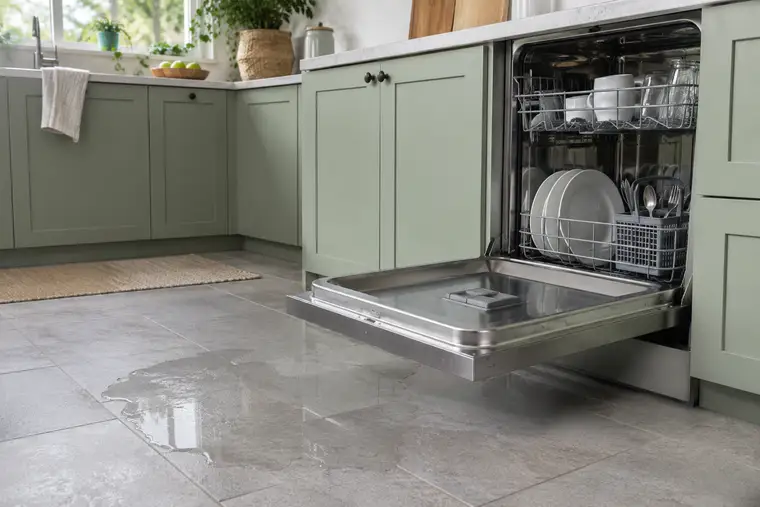
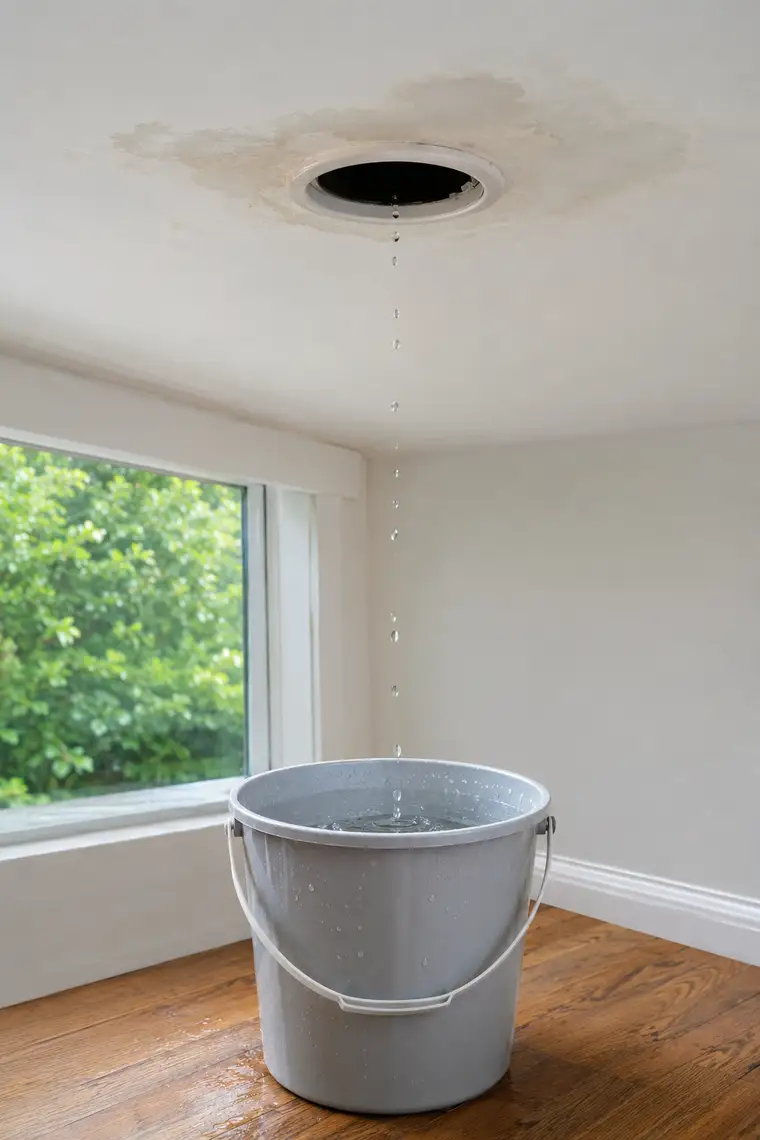
Flooding and sewage
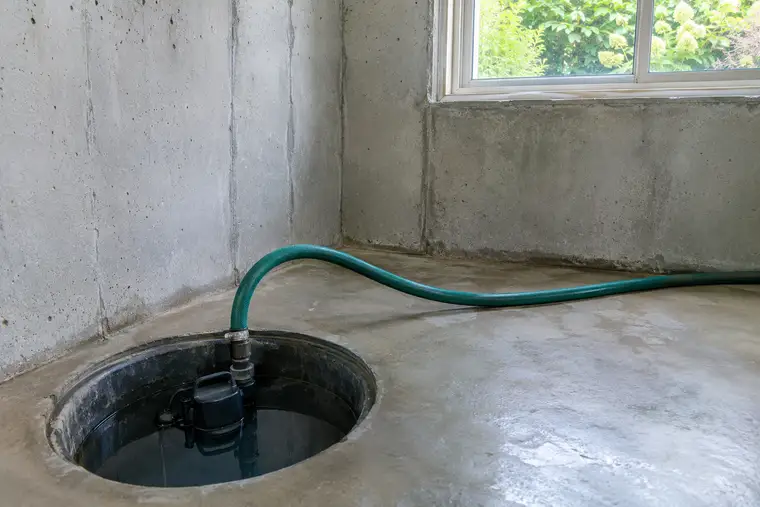
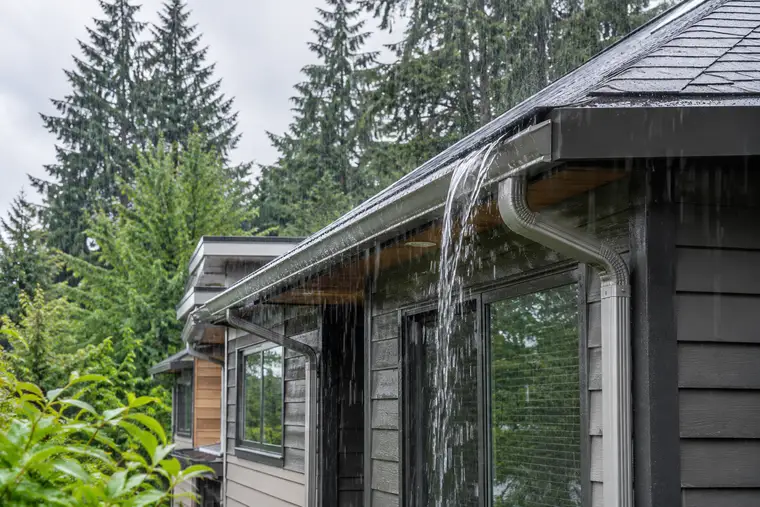
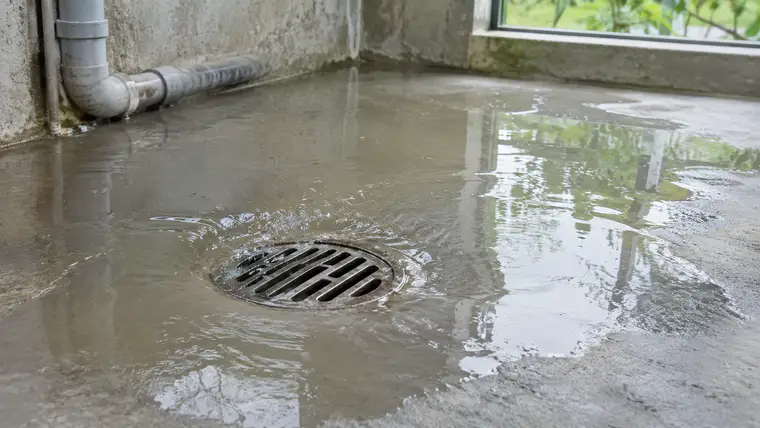
Water damage spreads further than you can see
Most water damage in Redmond, WA is bigger than it looks from the doorway.
Water spreads out of sight
It slips under baseboards, up the back of drywall and into the subfloor, so the wet patch you can see is usually the smallest part.
Small leaks cause big damage
A washer hose that drips each cycle, a loose sink supply line or a gutter that overflows in a long storm can soak a wall for weeks before a stain appears.
We measure before we dry
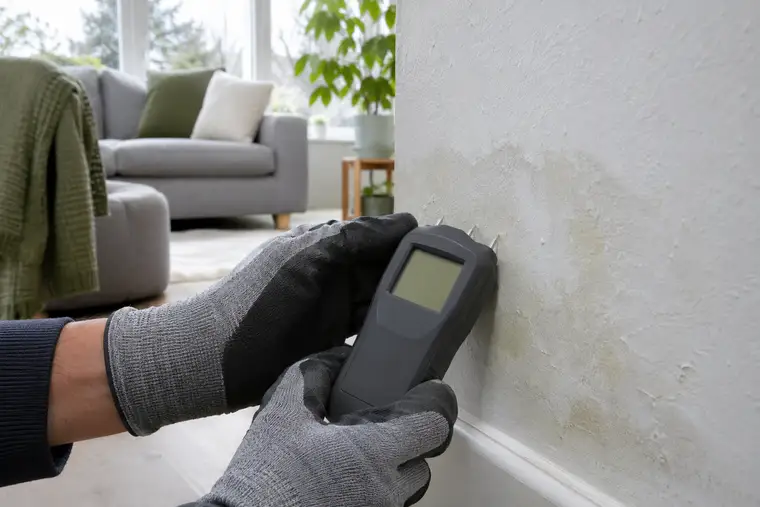
A moisture meter maps the edges of the wet area before any fan goes down, so nothing damp gets covered up.
Because water rarely stays where it started, every visit to a Redmond home begins with questions and moisture readings before any equipment is set up.
What we ask when you call
When you call Water Damage Redmond WA, we ask a few plain questions. Where is the water, what does it look like, is it still coming in and how long has it been there? Those answers shape the whole job, from the equipment the technician brings to how carefully the cleanup has to be done.
If water is still running as you read this, stop here and close your main water valve. The first hour steps walk through the valve, the power and what to move out of the way.
Before anyone arrives
These steps take a few minutes and stop a leak from turning into a bigger job.
Close the main water valve
It is often in the garage, a utility closet or where the water line enters the house.
Make the power safe
Switch off breakers for wet rooms, but only from a dry spot.
Move rugs, electronics and papers
Lift anything on the floor of a wet room onto a table or carry it to a dry room.
Keep everyone away from dirty water
Children and pets should stay out of any room where the water could be dirty.
The full first hour steps also cover ceilings, sewage and what to tell the technician.
Types of water damage we clean up and dry
Each of these pages explains one type of water damage in Redmond, WA, what usually causes it and what a visit involves. Start with the one closest to what you see at home.
If your situation fits more than one, pick the closest match. The technician looks at the whole house on the visit, and a leak that reaches several areas is handled as one job.
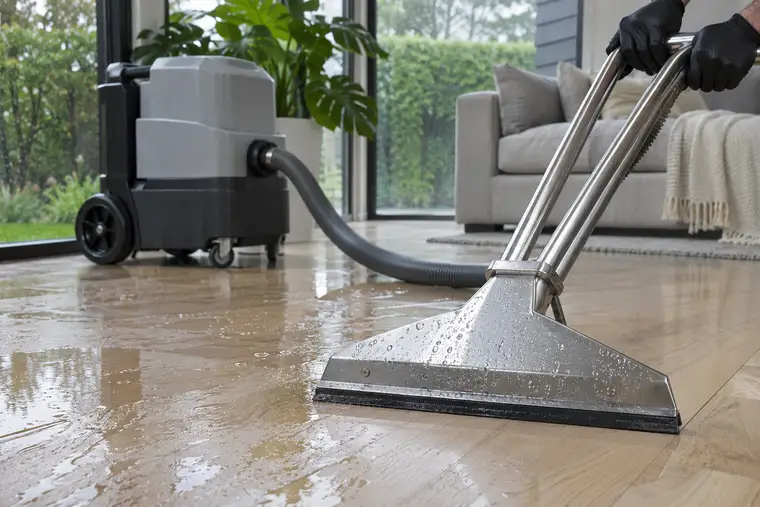
Standing water out, then walls, floors and subfloor dried to a measured finish.
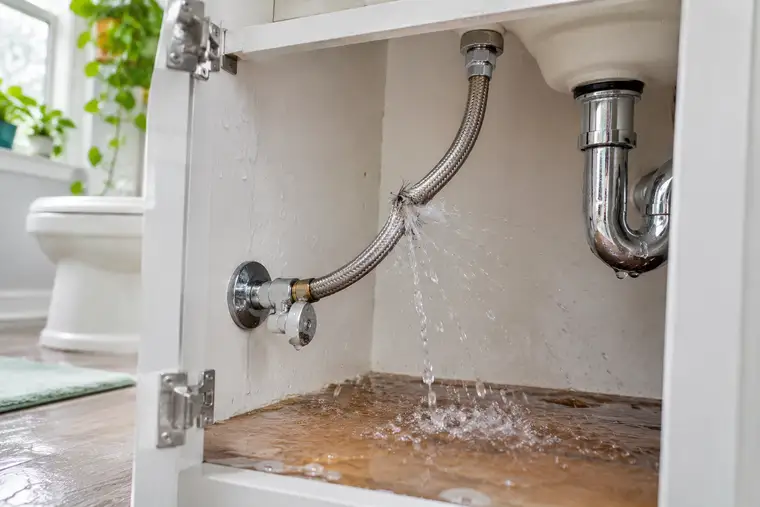
Cleanup and drying after a burst or split water pipe inside a wall, ceiling or cabinet.
Water below the main floor, from a sump that failed to a soggy vapor barrier.
Backups from drains and toilets, cleaned with the care dirty water needs.
Stains, sags and drips traced to the source and dried inside the cavity.
Rain that came in under doors, through windows or past a full gutter.
Dishwashers, washers and water heaters that leak slowly out of sight.
Thorough drying after a leak so mold does not start growing in walls and floors.
The four stages of water damage restoration
Every case of water damage in Redmond, WA is different, but a careful job always moves through the same four stages in this order. Skipping one usually shows up later as a smell, a stain or mold.
Questions
The technician hears where the water came from and what you have already done about it.
Moisture readings
Meters find every wet area, including inside walls and under the floor.
Extraction and drying
Water is extracted, then air movers and dehumidifiers dry the structure over several days.
Final check
Final readings show the materials are back to normal before repairs begin.

Why wet homes in Redmond dry slowly
Redmond has mild, wet winters and dry summers, and that pattern shapes how water damage in Redmond, WA behaves. The long rainy seasons keep crawl spaces and attics damp for months at a time, so a wet wall here does not dry out by itself the way it might in a desert town.
Many leaks here show up during long winter storms or after a hard freeze. Those are the weeks when the outside air is already damp, so opening a window does more harm than good.
How drying works in a wet climate
Drying in damp weather works best with the house closed up. Dehumidifiers pull water out of the air, air movers keep it moving across wet surfaces, and steady heat helps the materials give up their moisture faster.
You can read more about how that works in how water damage drying works.
Is the water clean or dirty?
The source of the water decides how it is cleaned. Water from a supply line starts out clean. Water that came up a drain, out of a toilet or in from outside does not.
Usually treated as clean
- A burst supply pipe caught quickly.
- A water heater that just started leaking.
- An ice maker line or a sink supply line.
Treated as contaminated
- Sewage from a floor drain or a toilet.
- Rainwater that ran across the yard first.
- Any water left sitting for a couple of days.
Contaminated water means more of the soft materials it touched have to go, such as carpet pad and the bottom of the drywall. The sewage cleanup page explains why.
If you do not know where the water came from
Even clean supply water becomes dirty within a few days. After a day or two in a warm house it picks up whatever it soaked through, from carpet backing to the dust inside a wall. That is one more reason to start the drying early.
When the source is unclear, or the water has an odor, handle it as dirty until a technician has looked at it. Keep children and pets away and wash your hands after being near it.
Signs the water spread beyond the puddle
After a leak, these signs mean water reached places a towel cannot. Any one of them is worth having measured.
Carpet that never dries
It feels cool and damp days after the spill was mopped up.
Gaps opening in the floor
Laminate seams lift and tile grout stays dark.
A cabinet that smells stale
Often the first sign under a sink or a dishwasher.
A light that flickers after a leak
Water may have reached the fixture box above.
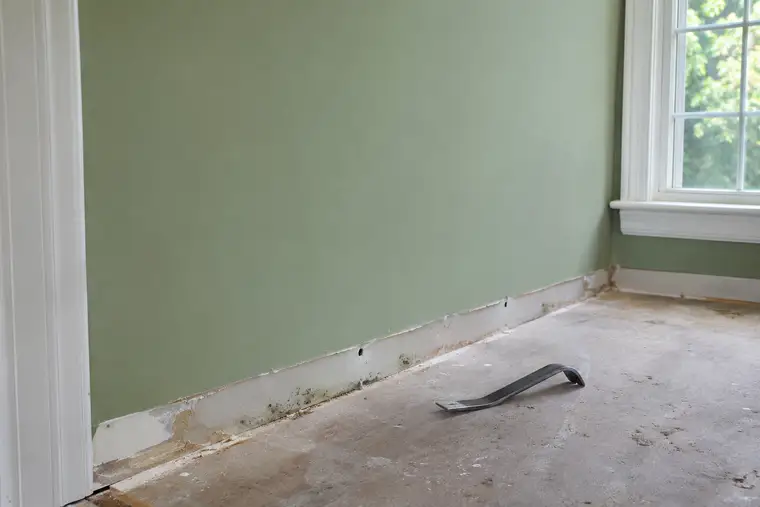
Trim pulling off the wall
Casing and baseboards swell and separate at the joints.
A water bill that climbs
Water may still be escaping somewhere you cannot see.
The guides on wet hardwood floors and the musty smell after water damage go into two of these in detail.

Photos and records for an insurance claim
Many homeowners speak to their insurance company on the day the water shows up. Coverage depends on your policy, and a sudden pipe break is often treated differently from a slow leak or outside flooding. Your agent is the person to ask.
Take photos first
Photograph the source, every wet room and the damaged items before anything is moved.
Keep a short log
Write down when you found the water and each step you took after that.
Ask for the drying records
The readings and photos from the job are your proof it was dried properly.
Our guide to the water damage insurance claim steps covers the rest of the process.
Keeping damaged items
Keep damaged items until the adjuster has seen them or has said they can go, unless they are a health risk, such as food or anything soaked in sewage.
Most policies also expect you to stop the damage from spreading once you know about it. Closing the valve and getting the drying started is part of protecting your claim, not just your home.
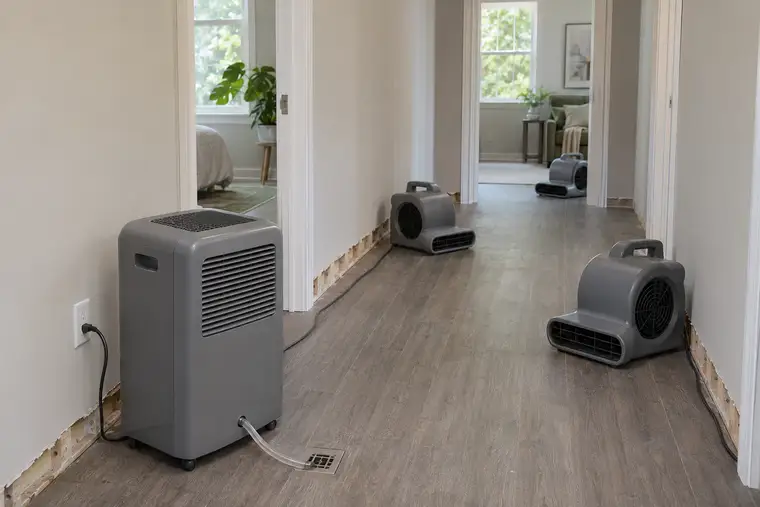
How we know a wet room is dry
A room can feel dry to the touch days before it actually is. Surfaces give up their water first, while the back of the drywall, the bottom plate of the wall and the subfloor hold on to theirs.
That is why drying is finished when the readings say so, not when the surface feels dry. The technician takes readings in the wet area and compares them with the same materials in a part of the house that never got wet. When they match, the drying is done.
First visit
Readings mark where the water reached and set the starting point.
Later visits
The readings should fall, and equipment is moved to the areas that are drying slowest.
Last visit
Readings match the dry rooms, and the equipment can come out.
Why the readings matter to you
Ask to see the readings on each visit. Watching them fall is the easiest way to know the drying is on track, and the final numbers are worth keeping with your insurance paperwork.
If someone suggests closing a wall or laying new flooring before showing you dry readings, ask them to measure first. Covering damp materials is how hidden mold gets started.
Questions to ask your technician
A good technician welcomes questions. These help you understand the job and decide with confidence.
Where does the wet area end?
Ask to see the edge of the readings on the wall and the floor.
What has to come out, and why?
Every removal should come with a reason the technician explains to you.
How many days will drying take?
Ask for a realistic range and how you will know it is finished.
Will I get photos and readings?
You want a record of the job for your files and your insurer.
Nothing starts until the technician has walked you through the plan and you have agreed to it.
If the answer to any of these is vague, it is fair to ask again. A technician who measures carefully can always show you what the meter says and where the wet area stops.
Redmond ZIP codes we cover
Water Damage Redmond WA takes calls about water damage in Redmond, WA from houses, townhomes and condos in these ZIP codes.
- 98052
- 98053
Not sure whether your street is included? Mention your ZIP code when you call and we will tell you.
Every page on this site is written for Redmond homes and their long rainy seasons. If what you see at home does not match what you read here, tell the technician, because the details you notice often lead straight to the cause.
Questions about water damage in Redmond, WA
Short answers to common questions. The guides and service pages explain each topic in more detail.
Who should I call first, a plumber or a restoration company?
Usually both. Call a plumber first to fix the pipe or fixture, then a water damage restoration company to remove the water and dry the floors, walls and ceilings it reached.
How do I know if the water got inside my walls?
Look low on the wall for a tide line, bubbling paint or a soft spot, and notice any stale smell. A moisture meter confirms it in minutes.
Is a box fan enough to dry a wet room?
A fan moves air across the surface but leaves water inside walls and under the floor. In damp weather a dehumidifier does more good, and measuring tells you what is still wet.
How many days will the equipment be here?
Most rooms take several days. Hardwood, plaster and concrete take longer. The readings, not the calendar, say when it is finished.
Can my family stay at home during the work?
Usually yes, when the water was clean. Expect noise and a closed off room or two. With sewage, keep the affected area shut and keep children and pets well away.
Can wet carpet be dried and kept?
Sometimes, when the water was clean and the drying started quickly. The pad underneath is usually replaced, and carpet that sewage or outside water reached is removed.
Does homeowners insurance pay for water damage?
It depends on your policy and the cause. Sudden breaks are often treated differently from slow leaks or rising flood water. Your agent can tell you.
What should I do with wet furniture?
Move it off the wet floor or put foil under the legs so the wood stops wicking water and staining the floor. Solid wood often dries well. Upholstered pieces soaked by dirty water usually cannot be saved.
What does a lingering damp smell mean?
It usually means moisture is still trapped somewhere, often in pad, the bottom of a wall or the crawl space. It is a reason to measure rather than cover it with air freshener.
Which parts of Redmond do you cover?
We take calls from homes across Redmond, Washington, in the ZIP codes listed on this page.
Can wet drywall be saved?
Often, if it was clean water and drying starts quickly. Drywall that crumbles, swells or was touched by sewage is cut out and replaced once the cavity is dry.
What does a technician bring?
A technician brings moisture meters, often a thermal camera, extraction tools, air movers and dehumidifiers. The equipment is matched to the size of the wet area.
Should I turn the heat on or off?
A steady, comfortable temperature helps drying. If the furnace or ducts got wet, leave the system off until it has been checked.
How soon can mold start?
Damp materials can start to grow mold within a day or two, which is why getting the water out and the drying started early matters so much.
What if the water came from a neighbor above?
Tell them and the building manager straight away so the water can be shut off at the source. Protect your belongings, photograph the damage and make the power safe in wet rooms.
Do you handle the repairs after drying?
The plan covers removing the water, taking out what cannot be saved and drying the structure. Repairs such as new drywall or flooring follow once the readings show the house is dry.
Is a small leak under the sink worth a call?
If the cabinet floor is swollen, the wall behind is damp or the leak ran for a while, yes. A quick check now is far easier than replacing a cabinet and a section of floor later.