Water Damage Insurance Claim Steps
A clear record from the first hour makes a water damage insurance claim easier, and this guide lists what to gather and when.
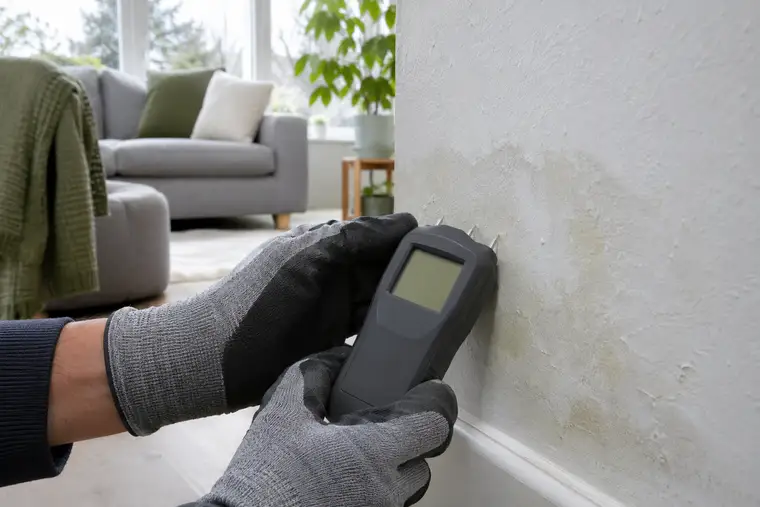
What to photograph before you move anything
A water damage insurance claim starts with the photos on your phone. Before you lift a rug or carry a box out, take a few minutes to record what you see.
The source
Photograph the pipe, the appliance, the drain or the spot where rain came in.
Each wet room
Take wide shots from the door, then closer shots of floors, walls and ceilings.
How high it reached
Hold a tape measure against the wall in the photo to show the water line.
The time
Write down when you found the water and when you shut it off.
Then stop the water and protect the house. Policies generally expect you to prevent further damage once you know about it.
A water damage insurance claim timeline for the first week
The first hour
Take photos, shut off the water and make the power safe in wet rooms.
The same day
Call your insurer or agent, note the claim number and the name of the person you spoke with.
The first two days
Drying starts. Keep a list of everything damaged and every receipt.
When the adjuster visits
Walk them through the photos, the readings and the items you set aside.
When drying finishes
Ask for the final readings and a summary of what was removed and why.
What insurers look at in a water damage claim
Every water damage insurance claim is judged against its own policy, and only yours decides what is covered. In general, insurers look at how the water arrived and how long it had been going on.
| How it happened | How policies often treat it | Worth checking |
|---|---|---|
| A pipe that burst suddenly | Often treated as sudden and accidental | Whether the house was heated if it froze |
| A slow leak over weeks | Often excluded as wear or neglect | When it was first noticed |
| An appliance or water heater failure | Damage from the water is often covered, the appliance often not | The age and condition of the appliance |
| Wastewater rising from a floor drain | Often needs a separate endorsement | Whether your policy has it |
| Rising water from outside | Usually excluded, covered by separate flood insurance | Whether you carry a flood policy |
This table is general information, not advice about your policy. Your agent or the policy documents give the real answer.
What to prepare for the adjuster visit
Adjusters work with what they can see and what you can show. A tidy record saves you both time, and it keeps the claim focused on facts rather than memory. A shared folder on your phone, with photos, receipts and notes sorted by room, is often enough.
- Photos and video from before anything was moved.
- A room by room list of damaged items, with a rough age for each.
- Receipts for anything you bought, such as towels, a wet vacuum or a hotel night.
- The daily moisture readings and the drying log.
- Any part that failed, such as a burst section of pipe or a split hose.
- A note of every call, with the date and the name of the person.
When items cannot wait
Keep damaged items until the adjuster has seen them or told you they can go, unless they are a health risk like sewage soaked carpet. In that case photograph them closely, cut a small sample if you can, and keep the sample in a bag.
Drying records that support a claim
A water damage insurance claim is much stronger with numbers behind it. Readings taken each day at the same points show where the water went and how long the house took to dry. That record explains why materials were removed and why the equipment ran as long as it did.
Moisture map
It shows where the wet area started and ended.
Daily log
It records the readings at each point every day.
Photos of removed materials
They show each area before and after removal.
Equipment log
It shows which equipment ran, where and for how long.
How to talk with the insurance adjuster
The conversation goes better when you stick to what you saw and what you have recorded. Adjusters handle many claims at once, so clear, organized information helps them move yours along. It is fine to ask them to explain anything you do not understand.
Helpful
- Describe what happened in order, plainly.
- Share the photos and the drying records.
- Ask what they need from you next.
- Write down what was agreed.
Less helpful
- Guessing at a cause you are not sure of.
- Throwing items out before they are seen.
- Starting repairs before the claim is discussed.
- Relying on memory for dates and calls.
When a landlord or a neighbor is involved
Renters, owners and neighbors each have their own policy and their own part of the record.
If you rent, tell your landlord or property manager straight away. Their policy usually covers the building, while your renters policy may cover your belongings. In a condo or townhouse, the association and your neighbor may need to know too. Photos of each unit help when the insurers sort out who covers what.
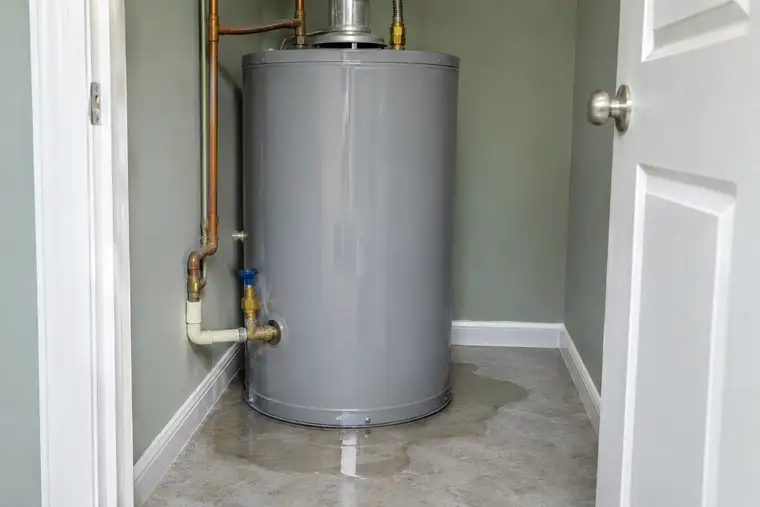
How to prepare for a future claim
Most of the hard work in a water damage insurance claim happens after the water. A few minutes now make it much easier if it ever happens.
- Walk through the house once a year filming each room and the contents of closets.
- Keep receipts and manuals for big appliances in one folder, or photos of them in the cloud.
- Write down where the main valve is and test it now and then.
- Read the water section of your policy and ask your agent about sewer backup and flood coverage.
- Keep your agent and policy number in your phone.
Insurance claim questions
Should I call my insurer before cleaning up?
Take photos first, then protect the house from more damage. Many people call the insurer the same day. Most policies expect you to stop the damage getting worse.
Do I have to wait for the adjuster before drying starts?
Usually not. Waiting lets the damage spread. Record everything first, then start drying, and keep the records for the adjuster.
What if my claim is denied?
Ask for the reason in writing and check it against your policy. Your agent can explain the options.
Will a claim raise my premium?
It can, depending on your insurer and your history. Your agent can tell you how claims affect your policy.
How long do I have to file?
Policies set their own time limits, and many expect prompt notice. Calling early is the safer choice.
Should I keep the broken pipe or hose?
Yes. Ask the plumber to save the failed part, and photograph it with a note of where it came from.
Can I make temporary repairs?
Usually yes, to stop further damage, such as covering a roof opening or closing a valve. Keep receipts and photos.
Does my policy cover mold?
Many limit mold coverage. Mold that grows because a leak was left untreated is often excluded, which is another reason to dry quickly.
Do I need a written report from the drying company?
It helps. A short summary of where the water went, what was removed, the daily readings and the final readings gives the adjuster a clear picture.
What if the leak came from my neighbor?
Report it to your own insurer and tell your neighbor so they can report it to theirs. The insurers usually work out between them who pays for what.
Can I choose who dries my home?
In most cases, yes. Tell your insurer who you are using and share the drying records with them.
Should I stay somewhere else during the work?
Only if the house is not livable, for example without water, power or a working bathroom. Some policies include help with a temporary place to stay. Ask your agent before booking.
What counts as proof of when the leak started?
Photos with dates, a water bill that jumped, notes from the plumber and the first readings from the drying visit all help show the timeline.
Is it worth claiming for a small leak?
That depends on your deductible and your policy. Talk to your agent before deciding, and keep the photos and records either way.
Should I sign anything on the first visit?
Read anything you are asked to sign and ask questions first. A simple authorization to start drying is common. Anything about payment or assigning your claim deserves a careful look and a word with your agent.
What if I find more damage later?
Tell your insurer as soon as you find it and add photos to your record. Hidden damage inside walls or under floors sometimes only shows up once materials come out.