Drying to Stop Mold After Water Damage in Redmond, WA
If your home got wet recently, we dry the walls, floors and insulation fully so mold does not start growing.
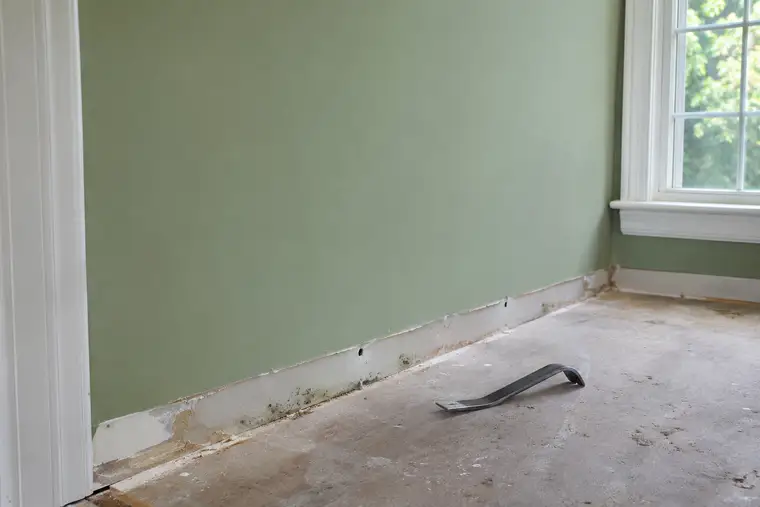
What mold needs to grow after water damage
Mold after water damage in Redmond, WA is almost always a drying problem, not a cleaning problem. Spores are in every house already. They only grow when three things line up.
Moisture
Mold needs a material that stays damp, inside a wall, under a floor or in insulation.
Food
Drywall paper, wood, carpet backing and dust all feed mold.
Time
A day or two of dampness is often enough for mold to start.
Remove the moisture
Without moisture, mold cannot grow even when food and time are there.
Why the first two days after a leak matter
Wet materials should be dried within a day or two to keep mold from taking hold.
The EPA explains that the key to mold control is moisture control, and its guidance on mold and moisture recommends drying damp materials quickly. That short window is why the first days after a leak matter so much more than the weeks after.
Where mold after water damage starts in Redmond, WA homes
The weather explains why mold after water damage in Redmond, WA is such a common worry. Redmond has mild, wet winters, and the long rainy seasons keep crawl spaces and attics damp for months. A leak that is only half dried has more time here to grow mold than it would in a drier place.
Crawl spaces
They are cool, still and rarely checked, with wood just above damp soil.
Attics
Roof leaks and condensation soak insulation that nobody sees.
Closets on outside walls
Cold walls, little airflow and stacked boxes trap moisture.
Behind appliances
Slow leaks under washers, dishwashers and refrigerators stay hidden.
Bathrooms
Steam with nowhere to go and leaks behind the shower wall keep the walls damp.
Under flooring
Water trapped beneath laminate or vinyl dries very slowly.
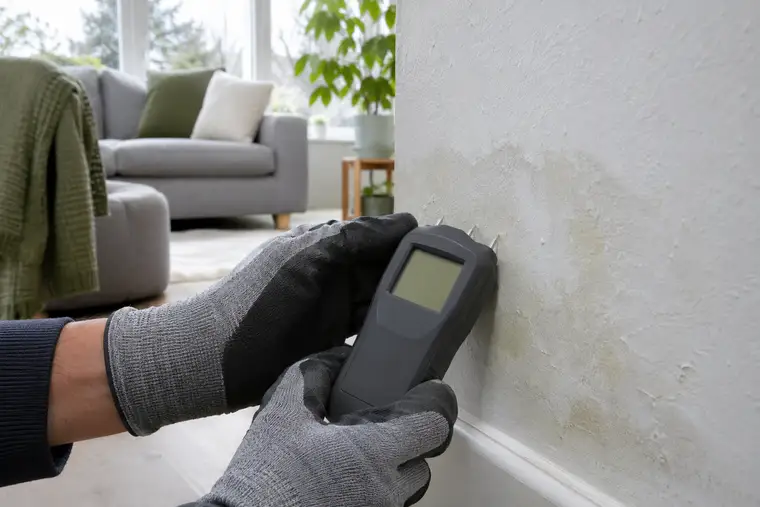
What mold prevention drying covers
You cannot see whether the inside of a wall is still damp, and you usually cannot feel it either. A moisture meter can. Readings in the wet area, compared with the same materials in a dry room, show exactly where water is still sitting.
Find every damp spot
Readings cover floors, walls, ceilings and the cavities behind them.
Remove what will not dry in time
Soaked insulation, carpet pad and swollen particleboard are removed.
Dry the structure fully
Drying continues until the readings say the structure is dry, not until it feels dry.
Confirm before closing up
Final readings are taken before paint, drywall or new flooring.
Before anything is removed, you are shown the numbers and told what they mean, and you decide.
Signs mold has already started
Early signs
- A stale smell in one room that the rest of the house does not have.
- Small dark specks near the floor or behind furniture.
- Caulk or grout that darkens away from the shower.
- A water mark that keeps creeping outward.
Signs it has spread
- Fuzzy growth on walls or the backs of cabinets.
- A strong smell with no visible source.
- Growth on insulation or framing.
- Allergy symptoms that ease when you leave the house.
Small spots on hard surfaces can often be cleaned once the moisture is gone. Larger growth, or mold inside walls, is a job for someone who sets up containment so spores do not spread.
When mold covers more than a small spot
Once growth covers more than a small patch, the job changes. The area is sealed off with plastic, air is filtered while the affected material is removed and the space is cleaned before any drying or rebuilding. That is a different process from the prevention described here.
Anyone in the house who reacts badly to dust or damp, such as people with breathing problems, is better kept out of the area until the work is complete.
What to ask the technician about mold risk
- What are the readings today, and what should they reach?
- Is any growth already visible, and where?
- Which materials need to come out to prevent it?
- What is keeping this area damp, and how can that change?
Clear answers to these tell you whether the drying is on track. For a fresh leak, start with the first hour steps.
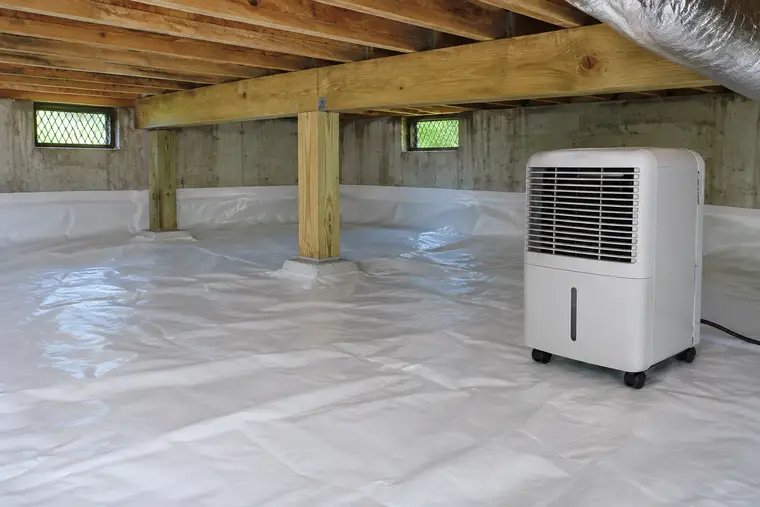
How to keep moisture low after drying
Vent the steam
Run the bathroom fan during each shower and for twenty minutes after.
Watch the lowest level
Run a dehumidifier in damp lower levels from fall through spring.
Give walls some air
Keep furniture and boxes a few inches back from cold exterior walls.
Dry spills the same day
Dry anything that gets wet before the evening.
Mold and moisture questions
How many days does it take for mold to appear?
Growth can begin in as little as a day or two on materials that stay wet. That is why the drying needs to start right away and continue until the readings say it is done.
Is a strong cleaner enough to keep mold away?
Cleaners treat the surface, but mold lives on the moisture inside the material. Taking the water out is what actually prevents it.
My leak was dried in a day. Am I safe?
Probably, if the drying reached inside the walls and under the floor, not just the surface. Ask for the final readings to be sure.
Why not just seal the wall and paint it?
Sealing a damp wall traps the water inside, and mold keeps growing where you cannot see it. The wall should read dry first.
When does a mold test make sense?
When you notice a persistent smell but cannot find the source, or you want to check an area after cleanup. Visible growth usually tells you enough without one.
Why do crawl spaces grow mold so easily?
They are cool, damp and rarely visited, and the wood floor framing sits right above the moist soil, which is everything mold likes.
Will running a dehumidifier all the time help?
It helps keep a damp lower level drier day to day. After a real leak, it still needs air movers and proper drying alongside it.
Which mold should I worry about in a bathroom?
Spots on grout and caulk are usually from steam. Growth on the wall outside the shower, inside the vanity or on the ceiling around the fan point to a leak or poor venting.
Can I keep living in a room while it dries?
Usually yes, for clean water. Keep the door closed and let the equipment run. If you notice growth or a strong smell, stay out until it has been looked at.
Does opening windows help prevent mold here?
Not often in the rainy months, because the outside air is already damp. A closed room with a dehumidifier running dries much faster.