Sewage Cleanup in Redmond, WA
If dirty water has come up from a drain or a toilet, keep everyone away, stop using the drains and call us for sewage cleanup.
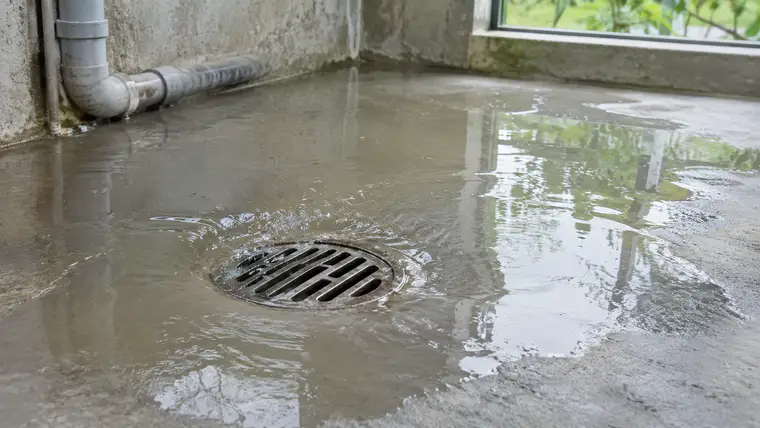
What to do in the first ten minutes of a sewage backup
Keep people and pets away from it. Stop all water going down the drains.
A sewage backup happens because the line is blocked somewhere downstream. Every flush, shower and load of laundry adds to what is coming up. Sewage cleanup in Redmond starts by stopping that flow, then making the area safe.
Close it off
Shut the door to the room if you can, and keep children out.
Stop the water
Do not use toilets, sinks, showers, the dishwasher or the washer.
Make the power safe
Switch off breakers only from a dry spot and only if you can reach the panel safely.
Do not use vacuums or fans
Both spread contamination around the house.
Why sewage is treated so carefully
Sewage is the most serious kind of water damage. It can carry bacteria and viruses, so the cleanup follows stricter steps than a clean water leak, and sewage cleanup in Redmond always includes disinfection as well as drying.
Soft, porous materials cannot be cleaned to a safe standard once sewage soaks into them. Hard, sealed surfaces can. That one difference decides most of what stays and what goes.
Health notes
If anyone in the house becomes unwell after contact with the water, call your doctor and mention the sewage. People with cuts on their hands or feet should stay out of the area entirely.
What can be kept after a sewage backup
Usually cleaned and kept
- Bare concrete and garage slabs.
- Studs and joists, scrubbed and treated.
- Glazed tile with sound grout and nothing underneath.
- Metal, glass and hard plastic belongings.
Usually bagged and removed
- Rugs, wall to wall carpet and the pad below.
- The lower band of drywall the water touched, plus a margin.
- Wall and floor insulation in the wet area.
- Sofas, mattresses, books and cardboard.
The dividing line is simple. If a material can soak sewage in, it cannot be disinfected afterwards, so it goes. If the surface is sealed, it can be scrubbed, disinfected and dried.
Photograph every item before it is thrown out and keep a simple list. It helps with any insurance conversation later.
Belongings the water reached
Hard items such as metal, glass and solid plastic can usually be cleaned and disinfected. Books, cardboard boxes, fabric and anything with padding that the sewage reached are usually not worth the risk of keeping.
When in doubt, set the item aside rather than throwing it away straight off, and ask the technician. Some things, such as photos, can sometimes be saved with careful cleaning.
Common causes of a clogged main line
Roots
Tree roots grow into older lines through tiny cracks and joints.
Grease and wipes
They build up into a solid plug, even wipes sold as flushable.
A sagging or broken pipe
A low spot holds waste, and a break lets soil into the line.
Heavy rain
Long steady storms can overload the lines.
If more than one fixture backs up at once, especially the lowest drain in the house, the blockage is in the main line rather than a single sink or toilet. A plumber clears the line, and the cleanup deals with everything the water touched.
What sewage cleanup covers, start to finish
Contain the area
The affected rooms are closed off so contamination does not spread to clean parts of the house.
Remove the sewage water
It is extracted and disposed of properly.
Take out porous materials
Carpet, pad, insulation and the bottom of the drywall the water touched are removed.
Clean and disinfect
Every remaining hard surface, the framing and the slab are cleaned and disinfected.
Dry and check
Equipment runs until the readings are back to normal.
Before anything is removed, you hear what has to go and why. Nothing starts until you agree.
A toilet overflow versus a main line backup
Usually a smaller job
- One toilet overflowed onto tile.
- It was cleaned straight away with disinfectant.
- Nothing soaked into carpet or walls.
Treat it as a full backup
- Water came up a floor drain or a tub.
- It reached carpet, drywall or the floor below.
- Several fixtures backed up together.
Questions to ask before sewage cleanup starts
- Where on each wall will the cut line sit?
- How will the clean parts of the house be protected?
- How long until kids and pets can go back in?
- Has the drain been cleared, or does a plumber need to come first?
The first hour steps cover safety while you wait.
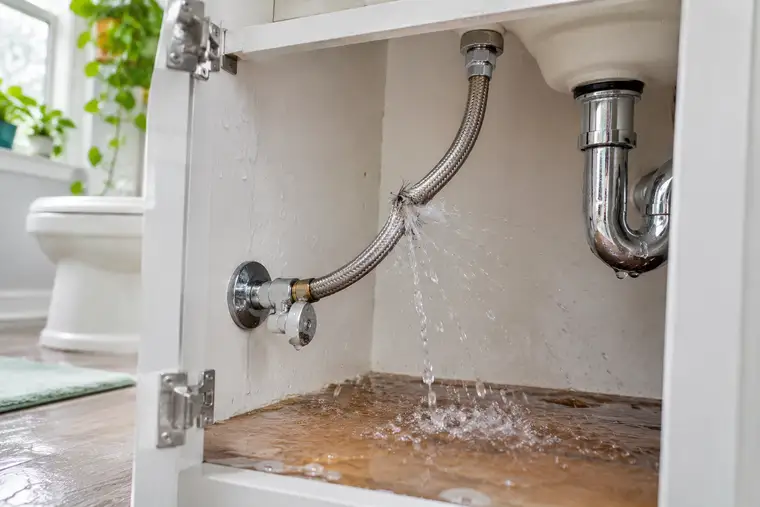
How to prevent another sewage backup
- Flush only toilet paper.
- Pour grease into a can, not down the sink.
- Book a camera inspection of the main line after a second backup.
- Ask a plumber whether a backwater valve suits your home.
- Keep large trees away from the line when you plant.
Sewage cleanup questions
Who clears the blockage itself?
A plumber or a drain specialist. Our side of the job is everything the backup touched, from removal to disinfection and drying.
Is it safe to stay in the house during the cleanup?
Usually, if the affected rooms are closed off and you keep away from them. People with weak immune systems, small children and pets are better kept well clear until it is clean.
How much drywall comes out after a backup?
Usually the band the water reached plus a margin above it, because sewage wicks upward. The exact line is set by readings and a look at the wall.
Can a toilet overflow count as sewage?
If waste was in the bowl or the water came from the drain, yes. A clean bowl overflowing onto tile is a much smaller job.
What should I do with clothes that got splashed?
Bag them, then wash them on the hottest setting the fabric allows, separately from other laundry. Discard anything that cannot be washed hot.
Does insurance pay for sewage cleanup?
Many standard policies only include sewer backup when an extra endorsement was added. Check your documents or ask your agent.
Why is the room still being dried after cleaning?
Cleaning removes contamination, but the framing and slab still hold water. They need to read dry before anything is rebuilt, or odors and mold follow.
How can I tell the main line is blocked?
Water coming up in the lowest drain when you flush or run the washer, several fixtures slow at once and gurgling sounds are the usual signs.
Should I open windows after a sewage backup?
If you can reach them without walking through the water, yes, for fresh air. Keep the door to the room closed so the smell and contamination stay contained.
What happens to the things that are thrown out?
They are bagged and removed from the house. Photograph them first and keep a list for your insurance company.
Is it safe to use other bathrooms?
Not until the blockage is cleared. Every drain in the house feeds the same main line, so using another bathroom can push more water back up.